
Summary
Our group explores different dimensions associated with the set of pathologies that are called “cancer”. To understand how the oncogenic process develops, we combine molecular, systems, and bioinformatics biology, using confocal and super-resolution microscopy and fluorescent reporters that allow us to analyze the subcellular localization and activation dynamics of cell signaling proteins in individual tumor cells and in real time, as well as cell-cell variability and phenotypic heterogeneity. Furthermore, to analyze when and where cancer originates using a systems toxicology approach, we investigate how herbicides and pesticides influence the development of tumor processes, analyzing the relationship between science, technology, mode of production, and cancer. To study how we understand cancer, in epistemological terms, our group analyzes the cancer research agenda, trying to reverse the current marginalization of prevention and the social and environmental determinants of cancer in this agenda. Finally, to understand what cancer is and the nature of this phenomenon, we use mathematical models and databases to analyze the influence of eco-evolutionary dynamics and lifestyles on the incidence rate of cancer in mammals.
Lines of research
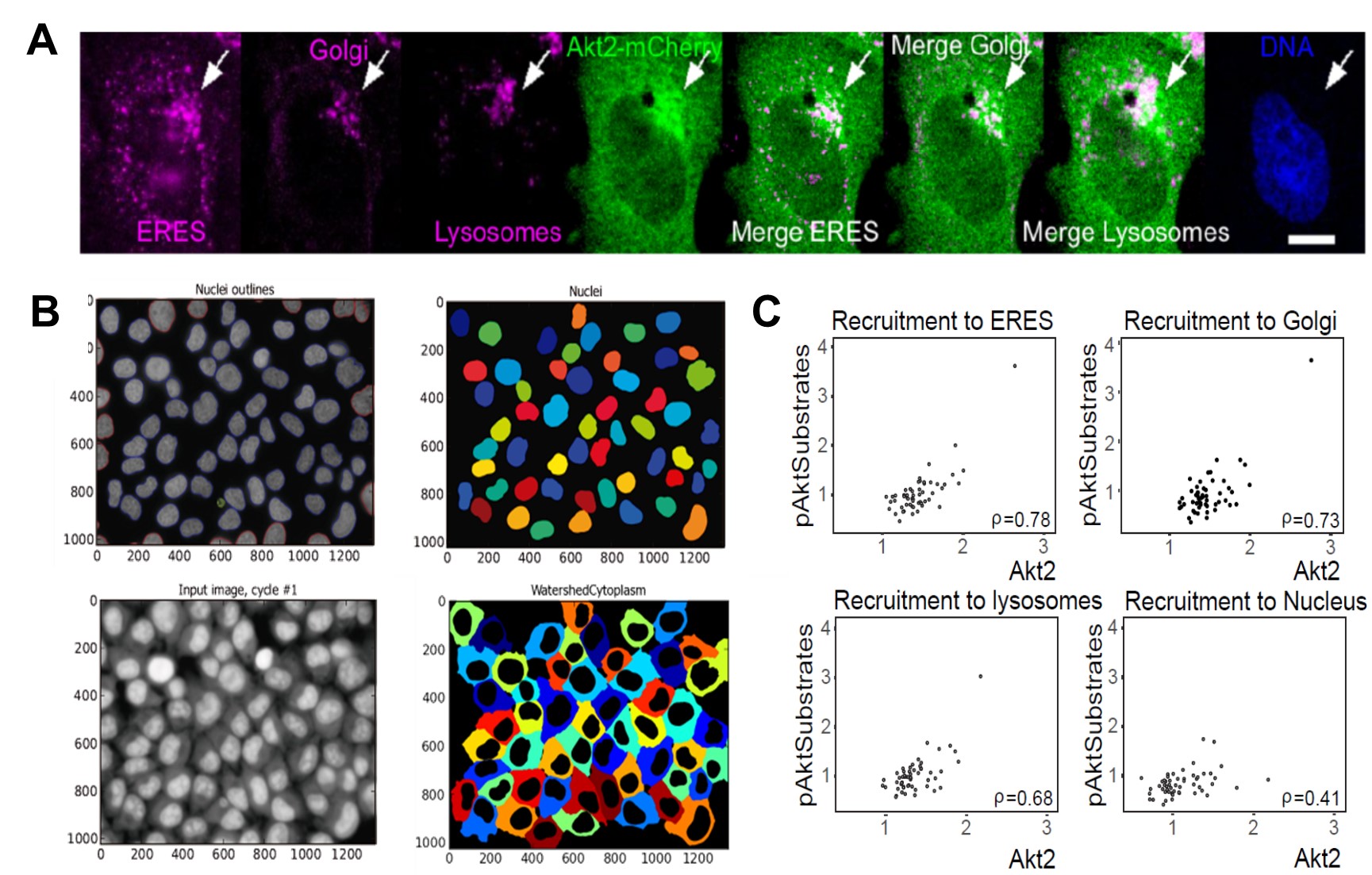
AKT is a kinase that serves multiple functions in diverse subcellular compartments and is deregulated in tumors. We generated a spatial analysis of the AKT interactome network to construct an atlas of AKT subcellular locations as a predictive tool for physiological and pathological functions of AKT in each compartment. We identified a subset of AKT substrates and interactomes associated with nuclear speckles (NS), mRNA splicing, as well as the endomembrane system (Golgi, endoplasmic reticulum, and lysosome), stress response, autophagy, and various types of cancer. The use of fluorescent reporters, confocal, and super-resolution microscopy allows us to deepen these analyses.
Our group reported for the first time that Akt is capable of undergoing S-palmitoylation, a reversible covalent modification that affects its localization and function. We propose to evaluate the subcellular localization of Akt1 mutants unable to be palmitoylated as well as their effect on apoptosis, proliferation, migration, and antitumor drug resistance in normal and tumor cell lines. In addition, we are studying which palmitoyl-transferases regulate Akt palmitoylation and how increased palmitoylation affects Akt functions. Using molecular dynamics simulation, we aim to understand the influence of this modification on Akt structure.
The Unfolded Protein Response (UPR) involves the activation of three parallel pathways (IRE1, PERK, and ATF6) and is triggered by the accumulation of misfolded proteins in the endoplasmic reticulum. We propose to characterize the activation dynamics of different UPR reporters developed in our laboratory. Within these objectives, we also propose to study the cross-talk between Akt, SRC, and UPR pathways and to analyze whether TDP-43, a protein associated with neurodegenerative diseases such as amyotrophic lateral sclerosis (ALS) and frontotemporal dementia (FTD), is able to modulate UPR activation.
The objective is to evaluate the potential toxicological effects of herbicides commonly used in Argentina on human health. The aim is to study, in a comparative way, the toxicological effects of different herbicides. For this purpose, using STRING, STITCH and DisGeNET, a bioinformatic analysis is carried out to study the main proteins, biological processes and diseases associated with these herbicides. These analyses are complemented by experimental studies using fluorescent reporters, transcriptomics and flow cytometry (SUNRISE). In particular, deregulation of Akt and UPR pathways has been linked both to the development of different types of cancers and to the impact of herbicides.
The objective is to analyze the place of social and environmental determinants of cancer in the current cancer research agenda. We are conducting a lexical and bibliographic analysis of scientific papers published in Argentina and other countries to assess a) what are the most frequent terms and keywords in these papers; and b) what kind of journals and lines of research address the topic. In addition, through teaching, survey and liaison activities in the Social Educational Practice “Social Aspects of Cancer”, we address cancer, social marginalization and other relevant social aspects.
Our working hypothesis is that the propensity to develop cancer could be finely modulated by evolution: a high incidence of cancer could have a neutral, negative or even positive adaptive value, depending on the species and context. Using public databases, we show that mammalian species with cooperative and supportive habits have lower cancer risk. Using mathematical modeling, we prove that higher mortality rates in older or post-reproductive individuals can lead to an increase in population size (hydra effect) in a context of intraspecific competition.
Gallery
Localización subcelular de AKt 
Microscopía de super-resolución 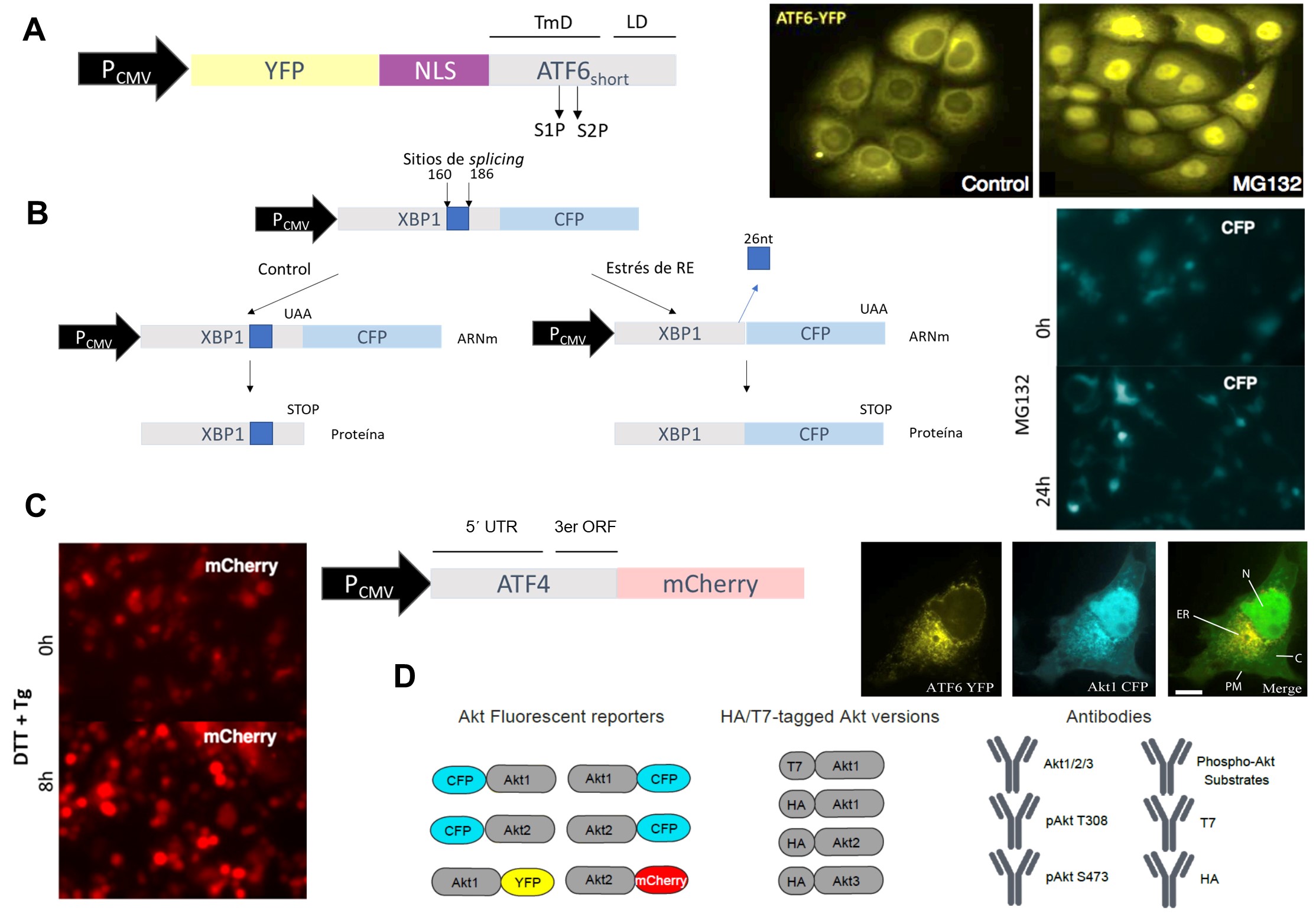
Reporteros fluorescentes 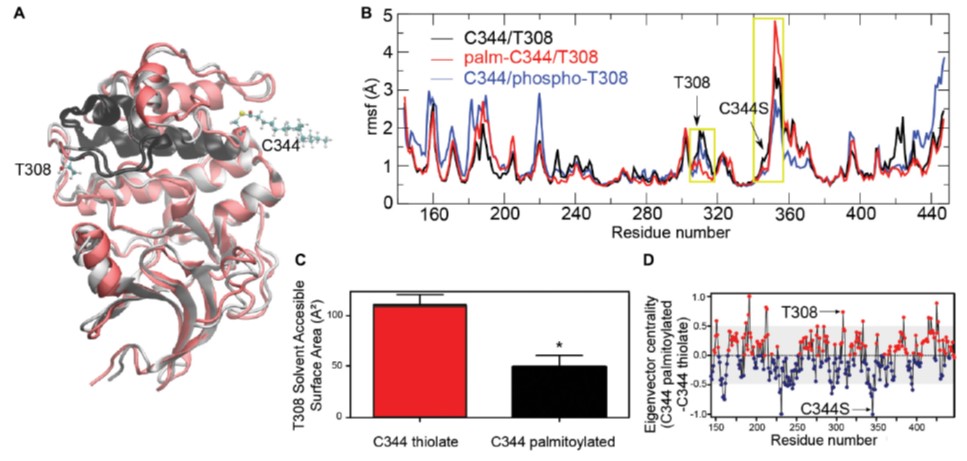
Dinámicas de simulación molecular de Akt 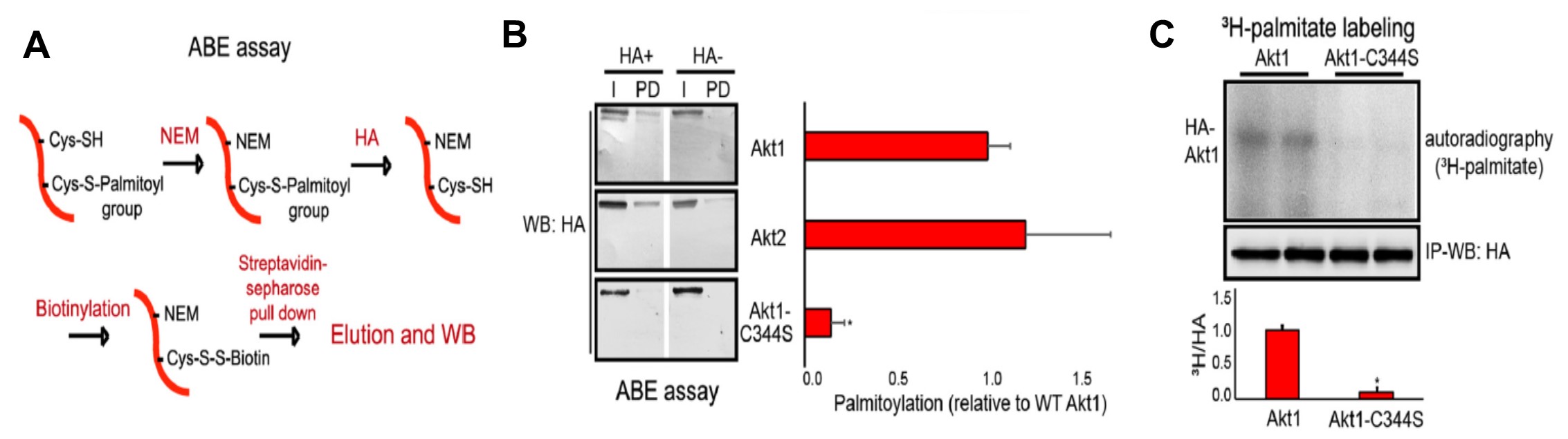
Palmitoilación de Akt 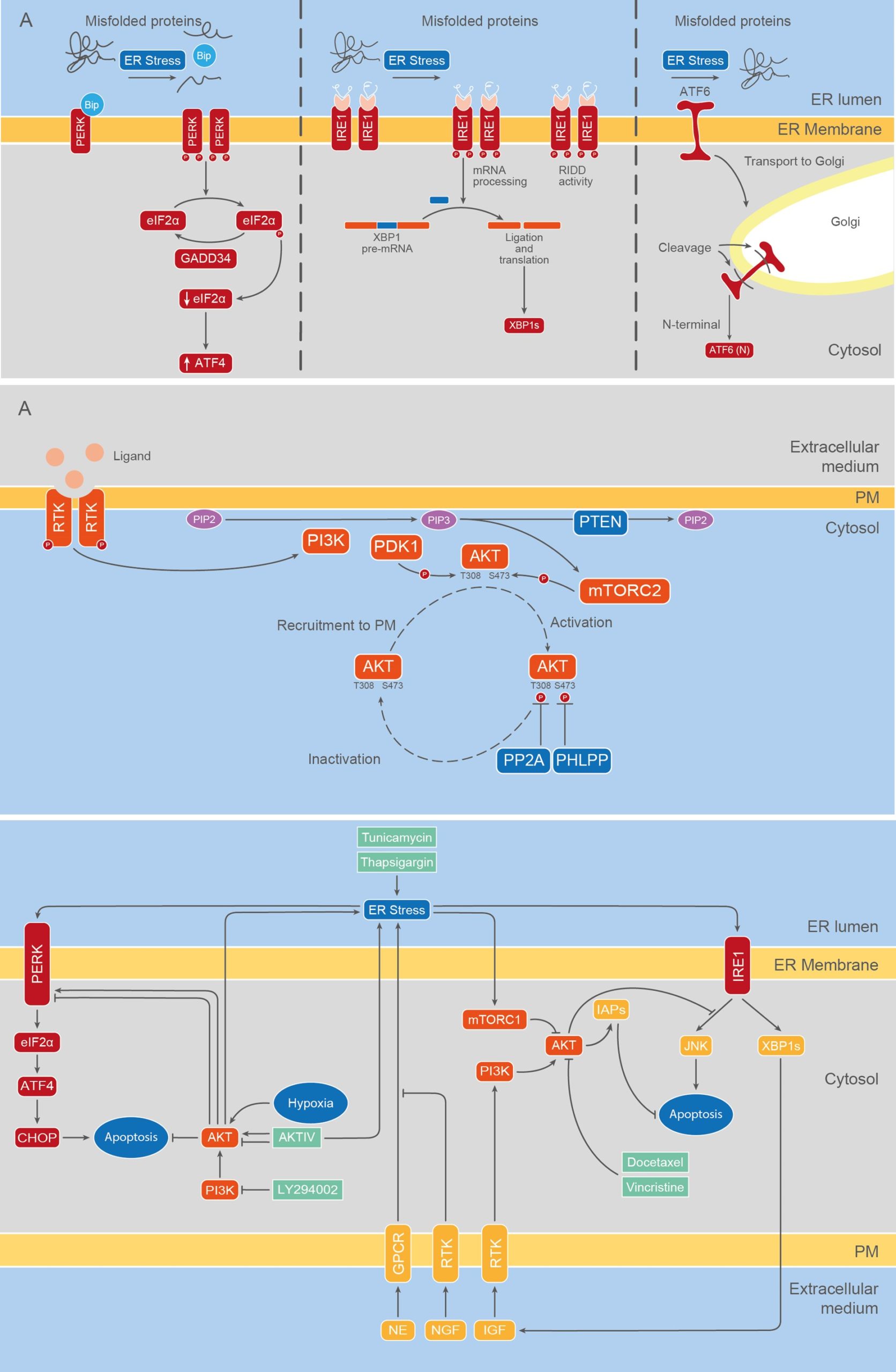
Cross-talk vías UPR y Akt 
Herbicidas y bioinformática 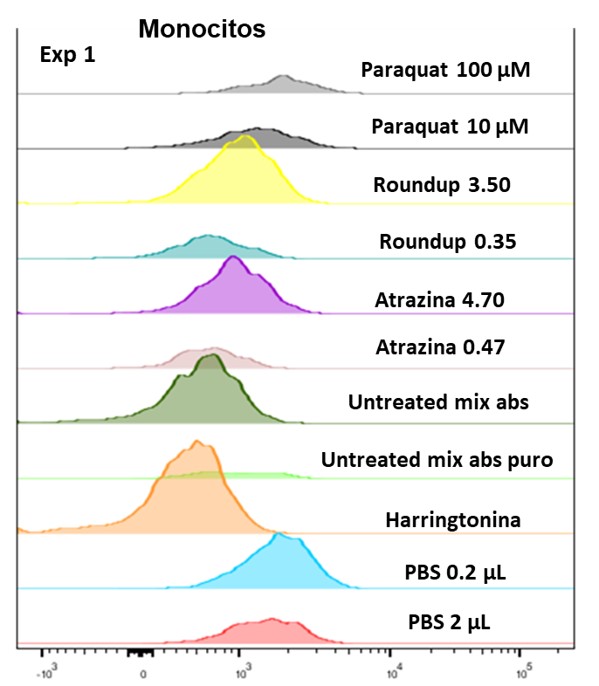
Herbicidas en sangre 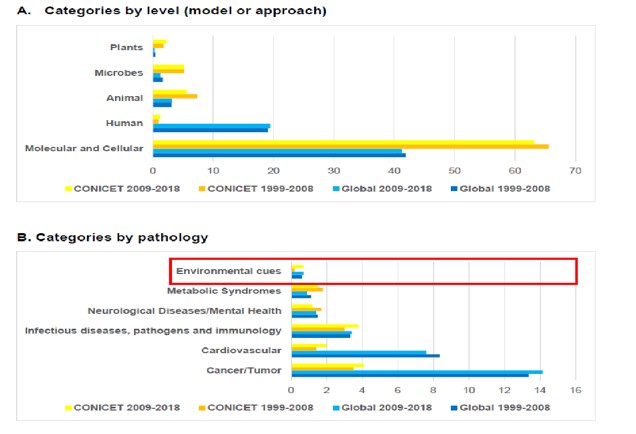
Agenda de Investigación en Salud 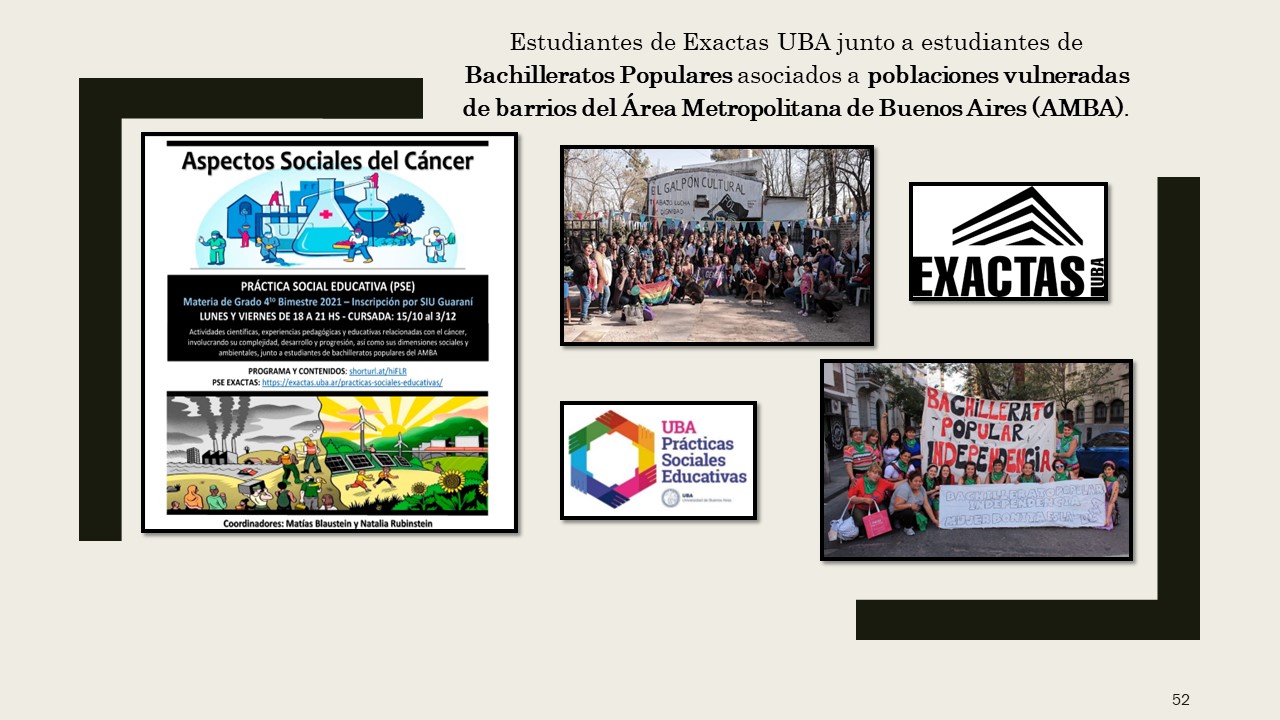
PSE 
Cáncer y estilos de vida 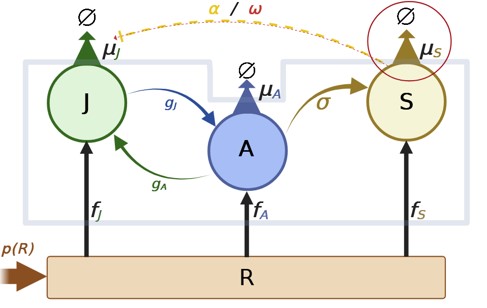
Modelado Cáncer Evolución y Ecología de Poblaciones
Members:
Mercedes García Carrillo
mercedesgcarrillo@gmail.com
Assistant Investigator CONICET
(CIC approved in 2023)
Antonella Vila
antonella.s.vila@gmail.com
Postdoctoral fellow CONICET
Gonzalo Sanchez
gonzalomsanchez.92@gmail.com
PhD fellow CONICET
.
Lara Farina
Graduate student, UBACyT Estimulo fellow
Patricia Sanjines
Graduate student
Alexia Cozzo
Graduate student
Analía Amante
analiaterra@yahoo.com.ar
Becaria doctoral CONICET
Catalina Sierra
catalinasierra9@gmail.com
PhD student
Tomás Lorusso
Estudiante
Emiliano Ludovico
Graduate student
Magali Ezeiza
Graduate student, EPoF fellow
Carmela Arce
Graduate student
Codirection
Florencia Cascardo
Becaria posdoctoral CONICET
florycascardo@hotmail.com
Directora: Virginia Novaro
Mauricio Montenegro
Becario posdoctoral CONICET
mauricio.montenegro909@gmail.com
Director: Lionel Muller Igaz
Outreach notes
- Why Does Evolution Select for Cancer? With Dr. Matías Blaustein
- M. Blaustein, M. L. Peralta y J. C. Pujalte | Animales anarquistas | Hibridaciones
- Macroscopio FM UNaM Programa 54 Matías Blaustein
- El rol de la Ciencia Digna vs. el Cáncer-Capitalismo – Matías Blaustein
- Matías Blaustein – Ciencia Digna vs. Ciencia Extractivista y el negacionismo anticientífico de Milei
- SALUD SOCIO AMBIENTAL-Htal Garrahan/ATE Parte 1: MATIAS BLAUSTEIN
- 05.06.2023 – Entrevista al científico Matías Blaustein en Espacio Urbano.
- Centros y periferias en la producción de conocimiento científico (Rikap, Blaustein, Liaudat)
- Canal Abierto, 2023 Filosofía del cáncer
- Deutsche Welle, 2023. El largo brazo del colonialismo científico en Latinoamérica
- NEXCIENCIA, 2022. Una idea que puede salvar vidas
- Página12, 2021. La agenda que marca el negocio
- La TV Pública, 2018 ¿Qué es la bioluminiscencia?
Outstanding publications
- Sierra, C.; Maxwell, J.; Flaibani, N.; Sánchez de la Vega, C.; Ventura, A.C.; Lavagnino, N.J. and Blaustein, M.
Coevolution of cooperative lifestyles and reduced cancer prevalence in mammals.
Science Advances (2025), 11 (46), eadw0685.
https://doi.org/10.1126/sciadv.adw0685 - García Carrillo, M.; Madanes, D. and Blaustein, M.
Carcinogenic Effects of Paraquat-Based Herbicides: A Comprehensive Review.
Environmental Science and Pollution Research (2025), 1-20.
https://doi.org/10.1007/s11356-025-36593-z - García Carrillo, M., Gagnon, M. A., & Blaustein, M. (2024)
Current priorities in health research agendas: tensions between public and commercial interests in prioritizing biomedical, social, and environmental aspects of health.
Frontiers in Medicine, 11, 1391982
https://doi.org/10.3389/fmed.2024.1391982 - Blaustein, M., & Garelli, F. M. (2023)
What about Health Education? Hegemony, paradigms in tension and alternatives.
Frontiers in Medicine, 10, 1289865
https://doi.org/10.3389/fmed.2023.1289865 - Suaya, M., Sánchez, G. M., Vila, A., Amante, A., Cotarelo, M., García Carrillo, M., & Blaustein, M. (2022)
Live and let die: signaling AKTivation and UPRegulation dynamics in SARS-CoVs infection and cancer.
Cell Death & Disease, 13(10), 846
https://doi.org/10.1038/s41419-022-05250-5 - Carrillo, M. G., Testoni, F., Gagnon, M. A., Rikap, C., & Blaustein, M. (2022)
Academic dependency: the influence of the prevailing international biomedical research agenda on Argentina’s CONICET.
Heliyon, 8(11)
https://doi.org/10.1016/j.heliyon.2022.e11481 - Testoni, F. E., García Carrillo, M., Gagnon, M. A., Rikap, C., & Blaustein, M. (2021)
Whose shoulders is health research standing on? Determining the key actors and contents of the prevailing biomedical research agenda.
PloS one, 16(4), e0249661
https://doi.org/10.1371/journal.pone.0249661 - Blaustein, M., Piegari, E., Martínez Calejman, C., Vila, A., Amante, A., Manese, M. V., … & Colman-Lerner, A. (2021)
Akt is S-palmitoylated: a new layer of regulation for Akt.
Frontiers in Cell and Developmental Biology, 9, 626404
https://doi.org/10.3389/fcell.2021.626404 - Argentinian AntiCovid Consortium (2020)
Structural and functional comparison of SARS-CoV-2-spike receptor binding domain produced in Pichia pastoris and mammalian cells.
Scientific reports, vol. 10, no 1, p. 21779
https://doi.org/10.1038/s41598-020-78711-6 - Blaustein, M., Wirth, S., Saldaña, G., Piantanida, A. P., Bogetti, M. E., Martin, M. E., … & Uchitel, O. D. (2020)
A new tool to sense pH changes at the neuromuscular junction synaptic cleft.
Scientific Reports, 10(1), 20480
https://doi.org/10.1038/s41598-020-77154-3 - Blaustein, M., Pérez-Munizaga, D., Sánchez, M. A., Urrutia, C., Grande, A., Risso, G., … & Colman-Lerner, A. (2013)
Modulation of the Akt pathway reveals a novel link with PERK/eIF2α, which is relevant during hypoxia.
PLoS One, 8(7), e69668
https://doi.org/10.1371/journal.pone.0069668 - Blaustein, M., Pelisch, F., Tanos, T., Munoz, M. J., Wengier, D., Quadrana, L., … & Srebrow, A. (2005)
Concerted regulation of nuclear and cytoplasmic activities of SR proteins by AKT.
Nature structural & molecular biology, 12(12), 1037-1044
https://doi.org/10.1038/nsmb1020
Collaborators
Natalia Rubinstein
iB3
Virginia Novaro
IBYME
Alejandro Colman-Lerner
IFIBYNE
Alejandra Ventura
IFIBYNE
Alan Szalai
CIBION
Fernando Stefani
CIBION
Osvaldo Uchitel
IFIBYNE
Anabella Srebrow
IFIBYNE
Ricardo Biondi
IBIOBA
Ari Zeida
Instituto Pasteur (Uruguay)
María Corvi
INTECH
Vanesa Galassi
UNCuyo
Gonzalo Solís
University of Geneva (Suiza)
Lionel Muller Igaz
IFIBIO Houssay
Alejandro Amoroso
Universidad de San Sebastián (Chile)
Cecilia Rikap
University College London (United Kingdom)
Ignacio Schor
IFIBYNE
Laura Kamenetzky
iB3
Ezequiel Petrillo
IFIBYNE
Javier Santos
iB3
Nicolás Lavagnino
UBA/CONICET
Constanza Sánchez de la Vega
Instituto del Cálculo
Nicolás Flaibani
IEGEBA
Rainer Pepperkok
EMBL (Alemania)